Covid-19 and ventilation
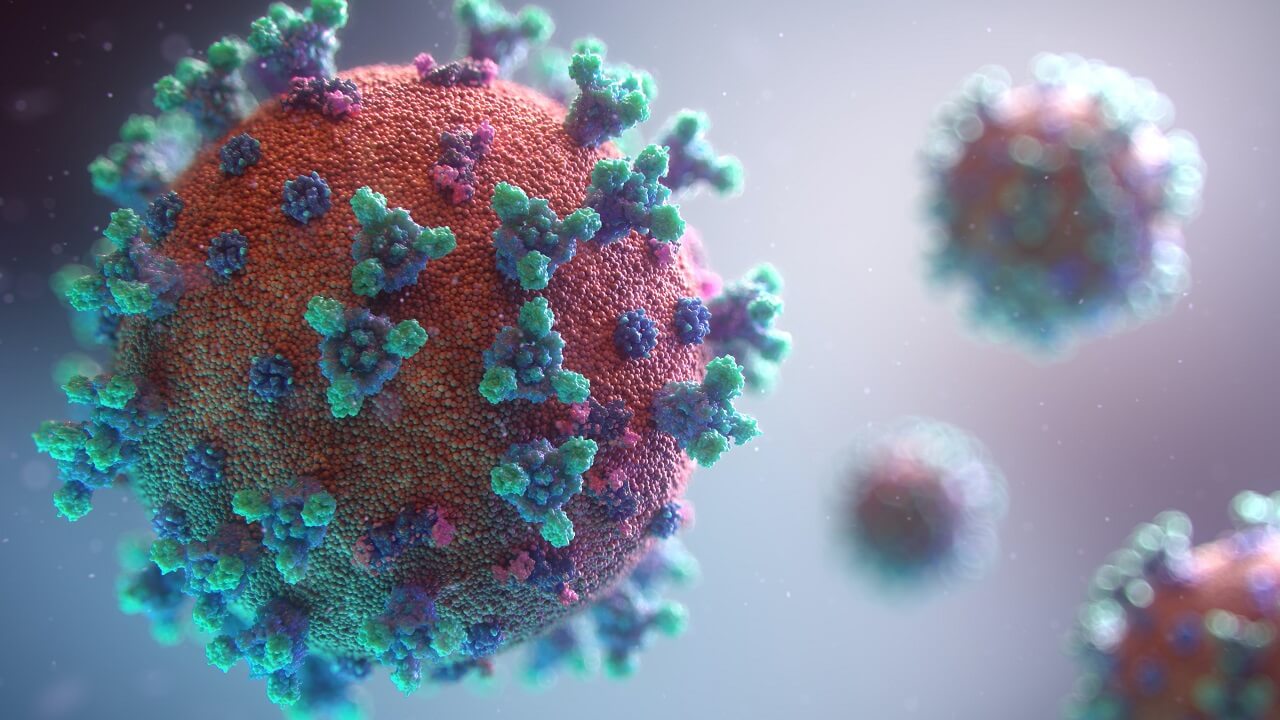
The regulations pertaining to air in buildings mean employers must make certain there is a sufficient supply of fresh air (ventilation) in enclosed areas of workplaces. This is especially important during the Covid 19 pandemic.
Maximising fresh air in a space can be done by:
- Natural Ventilation – relies on passive air flow through doors, windows, and air vents that can be fully or partially opened.
- Mechanical Ventilation – uses fans and ducts to bring outside fresh air into the building.
- Combination of natural and mechanical ventilation, for example where mechanical ventilation relies on natural ventilation to maximise fresh air such as air conditioning systems.
Ventilation is a key control measure to reduce the risk of virus transmission as part of making a workspace or public space COVID-secure, along with social distancing, keeping everywhere clean, frequent handwashing and hand sanitisation.
It is important that employers and guardians of public spaces use these three key points as guidance to apply these measures to help visitors and workers.
1. Assess the risk from aerosol transmission in enclosed areas.
2. Identify poorly ventilated areas.
3. Decide on steps to be taken that will improve ventilation.
Why ventilation is important.
Good ventilation reduces how much virus is in the air. It helps reduce risk from aerosol transmission, when someone breathes in small particles (the aerosols) from the air in an enclosed space where a person infected with the virus has been.
In areas that are inadequately poorly ventilated.
Ventilation reduces the aerosol risk but has little impact on droplet transmission (where people are within 2 metres of each other) and contact transmission (touching surfaces)
Assessing aerosol transmission risk
Sufficient ventilation will look different in varying workplaces or settings.
You can reduce the risk of aerosol transmission by ensuring infected workers or visitors with coronavirus symptoms do not come into the workplace. Provide the right amount of fresh air and limit the number of people in each area. Pay attention to and think about the impact of the activities being performed. For example, activities that increase deeper breathing (singing, physical activities and shouting) should be especially monitored and Covid compliance strictly adhered to by limiting people participating, greater social distance, and the all-important ventilation.
Simply Air Conditioning London offer a 24 Hour Call Out. Call at any hour on 020 7870 2333. Or get in touch using the contact form!
Commercial Air Conditioning and Ventilation London
We design and install commercial air conditioning systems with fresh-air ventilation to meet workplace health and safety requirements across London.