Tag: Air Conditioning

Solar Powered Air Conditioning
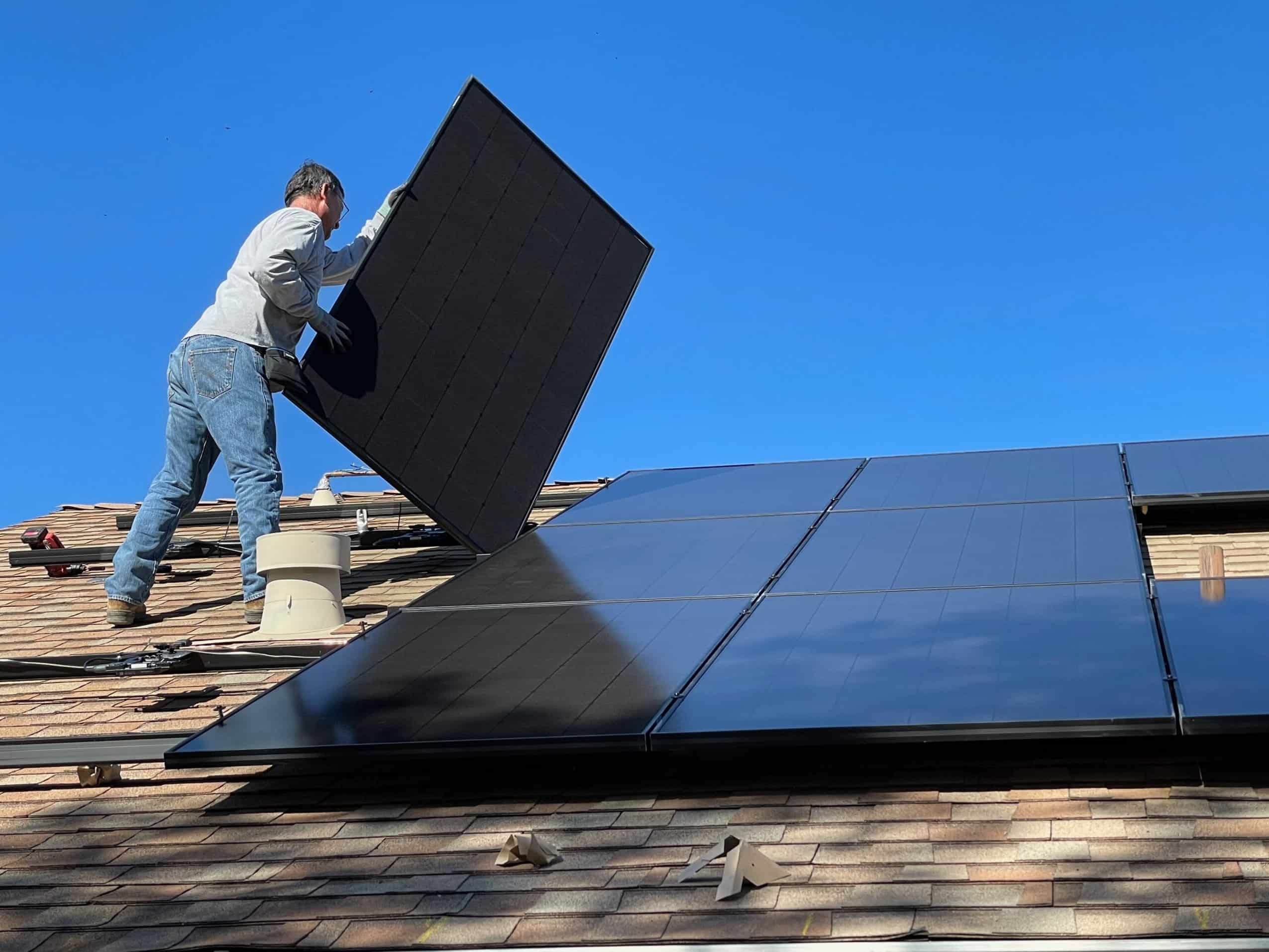
It is interesting to note that we need air conditioning when the temperatures are soaring, and the sun is high in the sky. Given the energy the sun creates it made sense therefore to use solar power for air conditioning units creating a logical relationship. While we do not use solar energy to full capacity in the UK, more homes are enjoying the benefits of their solar panels and the energy savings that are available with this kind of energy. 

We are now aware that we are responsible for reducing the number of greenhouse gases such as carbon dioxide that contribute vastly to climate change. Solar energy is one way we can do this as well as making things more cost effective. 

While it depends on the number of solar panels used and the efficiency of the chosen solar air conditioning unit, solar power can contribute up to 50% of the power required to operate a home air conditioning unit with dual benefits. Home energy bills reduce by up to 50% and carbon footprint halved. A fantastic result. 

While solar powered air conditioning units are more expensive than conventional units, the solar powered systems will pay back initial costs over time with the savings gained in energy costs and of course the reduction in carbon footprint. 

Solar air conditioning systems give the same results as regular models. There are three kinds of solar air conditioners:

Solar Thermal Hybrid Air Conditioners – These use solar energy to help the compressor with refrigeration. Electricity runs the electrical components and the fans.

Solar PV Hybrid Air Conditioners – These swap between battery power and solar power as required. When the weather conditions are sunny, the hybrid unit charges up the batteries. When it is not sunny the hybrid A/C runs on battery power while charging up the batteries using electricity. 

Absorption Chillers – This type uses solar to power the motor and fan while cooling and heating process using evaporation and condensation to produce cool air. Absorption chillers plug in to run from electricity or batteries.

Solar air conditioning gives results saving energy, money, and the environment! A topic to think about! 

Solar-assisted air conditioning can significantly reduce running costs over time. See full installation costs by property type to assess the full investment — supply, fit and commissioning included.

Energy-Efficient Air Conditioning Installation London

We install high-efficiency heat pump and inverter systems that deliver maximum cooling output with minimal energy consumption.

Quote from one of our happy air deflector free trial recipients:

“Our open plan office houses around 100 people. Air distribution and draft was an issue for some of them prior to fitting air deflectors. Since the fitting we’ve not had a single complaint!”

How we got here

Air conditioning is known to have been applied in Ancient Rome: aqueduct water was passed through walls of houses to cool them. In medieval Persia similar techniques involving the use of cisterns and wind towers were used in the hot season to cool buildings.

Modern air conditioning emerged after advances in 19th Century chemistry, and it was Willis Haviland Carrier who invented and first used a large-scale electrical air conditioning system in 1902.

Air Conditioner Definition

An appliance, unit, system, or machine designed to stabilise the temperature and humidity of air within an area (used for both heating as well as cooling). A refrigeration cycle is the most common method of achieving this although sometimes evaporative coolers are used for comfort cooling inside buildings and vehicles.

Main Pages

Unlock 4 Benefits of a Fully Automated Air Conditioning System

One thing you may consider before having your air conditioning unit installed is to automate your air conditioning system. In these times of conserving energy and looking at home energy efficiency, having control over your system makes sense.

 Image of a Fully Automated Air Conditioning System

A fully automated air conditioning system

Automating your air conditioning system can have many benefits that can help save energy, costs and give you more control over your indoor temperature. Some of the key benefits of automating your air conditioning system include:

  • Energy Efficiency: By automating your air conditioning system, you can ensure that it runs only when it’s needed, which can help to save energy and reduce costs.
  • Convenience: Automating your air conditioning system means that you don’t have to worry about adjusting the temperature manually, which can be especially helpful if you’re away from home for an extended period.
  • Better Control: Automating your air conditioning system gives you more control over your indoor temperature, which can help to improve your comfort levels.

Programmable Thermostat

A programmable thermostat is an essential component of any automated air conditioning system. Some of the key benefits of having a programmable thermostat include:

  • Energy Savings: A programmable thermostat can be set to automatically adjust the temperature based on the outside temperature, which can help to save energy and reduce costs.
  • Customizable Settings: With a programmable thermostat, you can set different temperature settings for different times of the day, which can help to improve your comfort levels.
  • Remote Control: Many programmable thermostats can be controlled remotely, which can be especially helpful if you’re away from home for an extended period.

Smartphone Remote Control

A smartphone remote control allows you to control your automated air conditioning system from anywhere, using your smartphone or other mobile device. Some of the key benefits of having a smartphone remote control include:

  • Convenience: With a smartphone remote control, you can adjust the temperature of your air conditioning system from anywhere, which can be especially helpful if you’re away from home for an extended period.
  • Energy Savings: By being able to control your air conditioning system remotely, you can ensure that it’s not running when it’s not needed, which can help to save energy and reduce costs.
  • Better Control: A smartphone remote control gives you more control over your air conditioning system, which can help to improve your comfort levels.

Automation within the home

Automating your air conditioning system within the home can have many benefits that can help improve your comfort levels and save energy. Some of the key benefits of automating your air conditioning system within the home include:

  • Customizable Temperature Settings: By automating your air conditioning system within the home, you can set different temperature settings for different rooms, which can help to improve your comfort levels.
  • Energy Savings: Automating your air conditioning system within the home can help to ensure that it’s not running when it’s not needed, which can help to save energy and reduce costs.
  • Better Control: Automating your air conditioning system within the home gives you more control over your indoor temperature, which can help to improve your comfort levels.

In conclusion, automating your air conditioning system can have many benefits that can help save energy, costs, and give you more control over your indoor temperature. With the help of programmable thermostats, smartphone remote control, and automation within the home, you can enjoy a more comfortable, energy-efficient home. For more information about how you can save energy and be in control, please contact Simply Air Conditioning London.

Looking for air conditioning installation in London? View our full range of installation services for homes and businesses across the capital.

Quote from one of our happy air deflector free trial recipients:

“Our open plan office houses around 100 people. Air distribution and draft was an issue for some of them prior to fitting air deflectors. Since the fitting we’ve not had a single complaint!”

How we got here

Air conditioning is known to have been applied in Ancient Rome: aqueduct water was passed through walls of houses to cool them. In medieval Persia similar techniques involving the use of cisterns and wind towers were used in the hot season to cool buildings.

Modern air conditioning emerged after advances in 19th Century chemistry, and it was Willis Haviland Carrier who invented and first used a large-scale electrical air conditioning system in 1902.

Air Conditioner Definition

An appliance, unit, system, or machine designed to stabilise the temperature and humidity of air within an area (used for both heating as well as cooling). A refrigeration cycle is the most common method of achieving this although sometimes evaporative coolers are used for comfort cooling inside buildings and vehicles.

Main Pages

Installation to air conditioning unit in loft converted bedroom

We completed an installation in a loft converted bedroom this week. Challenging installation, difficult builder and none existent project manager didn’t stop us winning the client over!

Client Testimonial:

“Thanks so much for your help on this project Jonathan the service was superb and I am delighted I found you on Google! – you were an absolute pleasure to deal with (unlike some others on this project!!).”


Air Conditioning Services London

Simply Air Conditioning London installs, services, and repairs air conditioning systems for homes and businesses across London. Contact us for a free quote.

Quote from one of our happy air deflector free trial recipients:

“Our open plan office houses around 100 people. Air distribution and draft was an issue for some of them prior to fitting air deflectors. Since the fitting we’ve not had a single complaint!”

How we got here

Air conditioning is known to have been applied in Ancient Rome: aqueduct water was passed through walls of houses to cool them. In medieval Persia similar techniques involving the use of cisterns and wind towers were used in the hot season to cool buildings.

Modern air conditioning emerged after advances in 19th Century chemistry, and it was Willis Haviland Carrier who invented and first used a large-scale electrical air conditioning system in 1902.

Air Conditioner Definition

An appliance, unit, system, or machine designed to stabilise the temperature and humidity of air within an area (used for both heating as well as cooling). A refrigeration cycle is the most common method of achieving this although sometimes evaporative coolers are used for comfort cooling inside buildings and vehicles.

Main Pages

Air Conditioning Maintenance Tips

London Air Conditioning Maintenance TipsWith some of the exceptional hot weather the UK has experienced this summer, those fortunate enough to have air conditioning will have put it to good use to stay cool. Others who have air conditioning systems that also provide heat during the wintertime will be thinking about some routine maintenance.

When something goes wrong with an air-conditioning unit, always call your air conditioning engineer rather than to try fixing the unit yourself. There are a few tasks you can complete and these are highlighted in the following air conditioning maintenance tips. A once a month check of your system will make you familiar with a properly operational system so you will know when something is wrong that needs the engineer. Some fairly simple maintenance tasks can make a dramatic difference to performance. Dust build up on the coils or leaking refrigerant can severely affect the performance of an air conditioner so it makes sense to keep on top of things.

In this article, we give you air conditioning maintenance tips that can help you to keep your air conditioning unit running smoothly all year. We would recommend that you seek out a professional company of accredited engineers for your annual service and maintenance checks, if only because they have the right tools for the job plus many years of experience.

There are some simple air conditioning maintenance tips that will help you with some of the essential but simpler tasks.

Caution: Before starting any maintenance activities, always ensure the power to the air conditioning unit is switched off.

Outdoor Elements

If you have an outside condenser unit, take care to ensure it is well protected from seasonal hazards. During the winter and autumn months, debris and leaves can cause blockages and in freezing conditions, ice can cause damage to the unit. The best way to avoid this is to buy a specially designed condenser cover that fits the unit. Some of these can be quite fancy and blend into your garden as a feature. For simple practical care, some heavy-duty plastic sheeting can do the trick secured with some robust cord.

Maintenance of the Main Components

The power cord, filter, switch, thermostat, fan, and drain ports are some of the components that need regular maintenance. Maintaining these components regularly can save money and prolong the life of your unit preventing breakdowns and unnecessary engineer repair visits. Air conditioning maintenance tips are particularly relevant to the following components:

Filter

If the air conditioning system is being used all year round, then the filter should be replaced or cleaned once a month. It is advisable to replace or clean the filter after the system has not been in use say if it is only used in the summer months. If you are in an area that is especially dusty or has air pollution, then filters should be cleaned and replaced more regularly. Depending on your model, you can usually take off the front grille and replace or clean the filter. The filter can be cleaned using mild domestic detergent and water. Always rinse the filter well and let it dry completely before replacing in the unit. If your air conditioning unit has a disposable filter, then simply replace the old one with the new.

Power Cord

Power cords sometimes become worn, so this maintenance check should be on your list. Worn power cords can be dangerous so check that they are in good order.

Condenser and Evaporator Coils

Clean the coils every month when the air conditioning unit is in use. A vacuum cleaner can be used to remove dust from the coils. You may notice some fins are bent. These can be straightened using a special tool that slides between the fins.

Condensate Drain Line

It is important to keep the drain line draining freely and cleanly. The drain line removes air moisture and has to flow freely to operate properly. You can check any hoses for leaks and see if they can be easily repaired or will need to be temporarily fixed with duct tape until you can get your air conditioning engineer to visit.

For more information you can also check the page Maintaining Your Air Conditioner from the energy.gov website, or you can ask us.


Quote from one of our happy air deflector free trial recipients:

“Our open plan office houses around 100 people. Air distribution and draft was an issue for some of them prior to fitting air deflectors. Since the fitting we’ve not had a single complaint!”

How we got here

Air conditioning is known to have been applied in Ancient Rome: aqueduct water was passed through walls of houses to cool them. In medieval Persia similar techniques involving the use of cisterns and wind towers were used in the hot season to cool buildings.

Modern air conditioning emerged after advances in 19th Century chemistry, and it was Willis Haviland Carrier who invented and first used a large-scale electrical air conditioning system in 1902.

Air Conditioner Definition

An appliance, unit, system, or machine designed to stabilise the temperature and humidity of air within an area (used for both heating as well as cooling). A refrigeration cycle is the most common method of achieving this although sometimes evaporative coolers are used for comfort cooling inside buildings and vehicles.

Main Pages

Tips for Conserving Energy and Money with your Air Conditioning System

Energy Efficiency in Air ConditioningBetween 50-70% of a home’s energy is used on heating and cooling. While a good portion of this effort goes toward heating water for dishes, clothes, and showers, regulating a home’s temperature eats up much of the energy bill. There are ways to minimise your costs by following a few simple practices.

When you are looking to install a heating or cooling system, look out for product features designed to save you money from the beginning. We are able to advise you completely obligation free on the best systems for your circumstances and budget.

Programmable Thermostats

Programmable thermostats have the quickest return on invest, sometimes as fast as two months. These particular devices allow you to set the thermostat to raise or lower the temperature when you leave the house, then adjust the temperature again just before you walk back through the door. This product will keep you from heating or air conditioning your home unnecessarily while you are away from home or asleep. This will result in great cost savings

Energy Efficient HVAC Units

The energy star rating ensures that the product will perform above a certain efficiency standard, thus guaranteeing energy savings. The energy cost savings can be at least 20% with units of this type.

[button link=”http://simplyairconditioninglondon.co.uk” style=”info”]Simply Air Conditioning London are your HVAC experts when it comes to saving money and energy[/button]

There are tips to save money and use less energy with your heating and air conditioning systems and we have put a few of them together here

  • Install door brushes on all entry and exit doors. This will significantly reduce or even stop any free airflow under the bottoms of doors.
  • Upgrade your home insulation. It will give a great return on investment, especially if there are areas in your home that have no insulation at all, such as in basements or lofts. There are local authority grants for insulation if you qualify which is worth looking into.
  • Close off areas of your house that you do not use regularly. This is a sensible way to control energy usage. Close vents and doors to rooms that are infrequently used, as there is no sense heating or cooling a portion of the home that you do not use.
  • In hot conditions, do not run dishwashers or clothes dryers during the hottest parts of the day, as your air conditioning unit will have to work overtime to bring the temperature back down to level. You can reverse this principle in wintertime to conserve heat, as the operation of these appliances will generate a certain amount of heat.
  • Turn the heat down when you leave the house during the day. The few minutes of cold that you will have to bear when you return home are worth the 8+ hour savings in your daily heating bill.
  • In the summer, pick the same temperature or even turn air conditioning off when you leave to save energy and money.

Quote from one of our happy air deflector free trial recipients:

“Our open plan office houses around 100 people. Air distribution and draft was an issue for some of them prior to fitting air deflectors. Since the fitting we’ve not had a single complaint!”

How we got here

Air conditioning is known to have been applied in Ancient Rome: aqueduct water was passed through walls of houses to cool them. In medieval Persia similar techniques involving the use of cisterns and wind towers were used in the hot season to cool buildings.

Modern air conditioning emerged after advances in 19th Century chemistry, and it was Willis Haviland Carrier who invented and first used a large-scale electrical air conditioning system in 1902.

Air Conditioner Definition

An appliance, unit, system, or machine designed to stabilise the temperature and humidity of air within an area (used for both heating as well as cooling). A refrigeration cycle is the most common method of achieving this although sometimes evaporative coolers are used for comfort cooling inside buildings and vehicles.

Main Pages

Air Conditioning in Dubai -Excess and Engineering Excellence

Dubai refrigerated beachDubai is one of the hottest countries on the planet with the desert temperatures soaring in excess of 50 degrees in summer. One the most excessive Arab Emirates, Dubai boasts the world’s first seven star hotel the Burj Al Arab, Ski Dubai, one of the world’ s largest indoor ski slopes. Some more world first’s are in the pipeline or constructed namely Hydropolis, an underwater hotel complex, Burj Khalifa which is to be the the world’s tallest structure, UAE spaceport, a hub for space travel, and Dubai Land which is to be twice the size of Disney World Florida. These are big plans for a nation of 1.4 million people.

Dubai will also have the world’s first air-conditioned and refrigerated beach when the Palazzo Versace hotel opens later this year.

The Versace philosophy is that its well-heeled guests (or barefoot perhaps?) do not want to walk upon scorching sand. Unlike mere mortals, who hop, ooch and ouch balancing awkwardly on toes across the hot sand or those who are clever enough to invest in a pair of flip-flops, the Palazzo Versace guest will have the luxury of walking across cool sand and be able to lay on it in comfort.

This will be achieved by network of pipes below the beach containing coolant. The swimming pool will also be refrigerated and giant blowers are to be installed to waft a gentle breeze across the beach.
The founder and President of Palazzo Versace said, “We will suck the heat out of the sand to keep it cool enough to lie on. This is the kind of luxury that top people want.”

The 10-storey hotel will have 213 rooms, several with their own internal swimming pools, plus 169 apartments.

Pioneering technology needed to be applied when it came to considering air conditioning options for the Burj Khalifa the tallest man made building in the world.

Controlling heat is extremely important factor in skyscrapers. With the introduction of air conditioning, builders were able to avoid their towers becoming large glass greenhouses cooking the people inside. In the case of Burj Khalifa the dual factors of the Dubai heat which reaches 50 degrees Centigrade in summer and the height of the tower 2716.5 ft (828 m), meant air conditioning on its own would not keep the building cool. A special two-paned window was designed for use in the Burj Khalifa. The outside pane coated with a thin layer of metal deflects ultra-violet radiation and reflects solar heat. The outside pane does not work against infrared radiation so a second pane is coated with a thin layer of silver, which keeps the infrared rays out. The building is covered in 30,000 glass panels; enough to cover 17 football pitches.

It’s quite incredible to think what can be achieved with engineering excellence in air conditioning, and Dubai is currently leading the way. However, for air conditioning excellence in London there’s only one place to go!

Quote from one of our happy air deflector free trial recipients:

“Our open plan office houses around 100 people. Air distribution and draft was an issue for some of them prior to fitting air deflectors. Since the fitting we’ve not had a single complaint!”

How we got here

Air conditioning is known to have been applied in Ancient Rome: aqueduct water was passed through walls of houses to cool them. In medieval Persia similar techniques involving the use of cisterns and wind towers were used in the hot season to cool buildings.

Modern air conditioning emerged after advances in 19th Century chemistry, and it was Willis Haviland Carrier who invented and first used a large-scale electrical air conditioning system in 1902.

Air Conditioner Definition

An appliance, unit, system, or machine designed to stabilise the temperature and humidity of air within an area (used for both heating as well as cooling). A refrigeration cycle is the most common method of achieving this although sometimes evaporative coolers are used for comfort cooling inside buildings and vehicles.

Main Pages

Olympic Air Conditioning 2012

London Olympic Air ConYou may not be preparing elite athletes for the 2012 London Olympic Games, but as the games draw closer each month, demand for sports training will increase as the population at large is captivated by the excitement of this global event and want to emulate their sporting heroes. Summer 2012 will see an unprecedented sign up to sports, gymnastic and athletics clubs. It is no wonder then that managers of sports training venues, athletic centres, and even village halls are turning their thoughts to air conditioning for their premises as summer approaches.

Air conditioning hire is a fast solution to ensure user comfort during their workouts but in times of extreme demand, it is better to have rented air conditioning systems as a back up for a fixed one which is much more energy efficient and cheaper than temporary solutions.

Your air conditioning expert can advise you on what system will be right for you if you own your premises or advise on the best leased or temporary systems if you are just renting for a period. It may be worthwhile calling together the owner of the venue and the users to put a case forward for air conditioning, as it would be beneficial to the owner, add value to the property, and are more attractive to customers.

If the outdoor weather is hot and muggy, people feel lazy and the thought of going to a hot muggy venue to work out will more often than not make them decide not to bother. If there is a cool venue to work out in, then people are more likely to continue training or doing their workout sessions. In the end, it is more economical to have good air conditioning to keep your clients and athletes coming back.

Dance classes, aerobics, tennis, boxing, gymnastics, martial arts, badminton, or other activities, work better for people if a consistent optimum temperature is maintained in the venue. If you have some serious athletes or dancers who may be competing abroad or need adjustment, you can tailor the ambient temperature to their needs which will help with their training progress. It also helps with muscle warm up. Not working in the right temperature slows progress, and could lead to health issues such as dehydration, exhaustion, and injury.

If you are holding competitions at your venue, it is important that the competitors are comfortable and your spectators. Nobody enjoys performing or spectating in a hot stuffy environment and competitors will be reluctant to return if they have a bad experience. Temporary air conditioning for the day of the event can be easily arranged and will make the event run smoothly and comfortably for all concerned.

If you are considering air conditioning remember the greatest demand for air conditioning installation and leasing is during the summer months. Your air conditioning specialist will do a site survey and establish where the equipment can be best located, check power supply and advise you on the most energy efficient solutions for your needs. They will also provide you with a full back up service and annual maintenance.

Quote from one of our happy air deflector free trial recipients:

“Our open plan office houses around 100 people. Air distribution and draft was an issue for some of them prior to fitting air deflectors. Since the fitting we’ve not had a single complaint!”

How we got here

Air conditioning is known to have been applied in Ancient Rome: aqueduct water was passed through walls of houses to cool them. In medieval Persia similar techniques involving the use of cisterns and wind towers were used in the hot season to cool buildings.

Modern air conditioning emerged after advances in 19th Century chemistry, and it was Willis Haviland Carrier who invented and first used a large-scale electrical air conditioning system in 1902.

Air Conditioner Definition

An appliance, unit, system, or machine designed to stabilise the temperature and humidity of air within an area (used for both heating as well as cooling). A refrigeration cycle is the most common method of achieving this although sometimes evaporative coolers are used for comfort cooling inside buildings and vehicles.

Main Pages

A Short History of Air Conditioning

Before modern day air conditioning people still needed to be kept cool and some ingenious inventions applied the principles of cooling centuries ago. The ancient Romans used water from aqueducts to circulate through house walls to cool them down. In Persia buildings were cooled using a cistern device and wind tower system combination the hot season.

In China during the 2nd century, a Chinese inventor Ding Huan invented a manually operated fan with seven wheels three meters diameter and there is mention of a ‘Cool Hall’ in the Imperial Palace during the Tang dynasty that used water powered fan wheels for air conditioning and jet streams of water from fountains. The fans whether water or manually powered are mentioned as being in common use right through the later Song dynasty.

Various attempts at designing a device for cooling began long before any satisfactory designs were introduced to the market. One of the first attempts in more recent times was by an American doctor to treat fever patients. In 1840 or thereabouts, Dr John Gorrie created a device that used compressor technology to blow air over ice to cool hospital rooms in Florida. He had a vision that machines of this type would be used to cool entire buildings and even entire cities could be cooled by centralised air conditioning. He did receive a patent for his device but sadly when is financial backer died so did his dreams and he died impoverished. It was another fifty years before air conditioning was thought of again.

Willis Carrier an American engineer manufactured a near relation of the modern air conditioning units in 1902. The device was designed to lower humidity and cool air. It worked successfully and soon caught on in industry to cool machinery and was used in a few medical institutions. The very first domestic use was in the home of a millionaire’s son in Minneapolis. However, these devices were expensive, too big, and toxic due to the ammonia coolant.

In 1922, Carrier made significant changes, replaced ammonia with a safe coolant dielene, and added a central compressor to reduce the size of the unit. From this time, air conditioning units began to appear in theatres, cinemas and finally offices, department stores and railway carriages. The United States government began to install air conditioning in The White House, Senate, and Supreme Court in 1928. After World War II, window air conditioning devices in America became popular and reached over one million sales in the early 1950’s.

Advanced engineering and invention in air-conditioning continues, with an emphasis on energy efficiency and on improving air quality. Climate change issues are being addressed because along with the normal greenhouse gases released with energy use, CFC, HCFC, and HFC refrigeration gases are potent when leaked to the atmosphere. Because of the significant impact these gases have on global warming, alternatives are being sought and research and development continues in this area.

Today, to be without air conditioning in hot summer conditions is unthinkable. Cars, offices, shops, and public buildings are cooled for our comfort and increasingly in northern Europe, domestic air conditioning units are seen as an option that most homes need during the summer. With the weather of recent years being unpredictable, often heat waves strike without warning. In these intense conditions, thoughts turn to a permanent cooling solution for the home.

Quote from one of our happy air deflector free trial recipients:

“Our open plan office houses around 100 people. Air distribution and draft was an issue for some of them prior to fitting air deflectors. Since the fitting we’ve not had a single complaint!”

How we got here

Air conditioning is known to have been applied in Ancient Rome: aqueduct water was passed through walls of houses to cool them. In medieval Persia similar techniques involving the use of cisterns and wind towers were used in the hot season to cool buildings.

Modern air conditioning emerged after advances in 19th Century chemistry, and it was Willis Haviland Carrier who invented and first used a large-scale electrical air conditioning system in 1902.

Air Conditioner Definition

An appliance, unit, system, or machine designed to stabilise the temperature and humidity of air within an area (used for both heating as well as cooling). A refrigeration cycle is the most common method of achieving this although sometimes evaporative coolers are used for comfort cooling inside buildings and vehicles.

Main Pages

Forget Nostradamus, here’s the century old Aircon prediction that came true!

Way back at the start of the century, in the year 1900 to be precise, an American civil engineer by the name of John Watkins penned down some notes making a series of predictions with his visions of what our world would be like, technologically-speaking, by the turn of the following century. Where many have failed, John in fact struck gold with a few of his predictions.

At the time a completely unknown engineer, John published a short story in a little-known American women’s publication called “What Might Happen in The Next 100 Years”. Quite incredibly, a number of Johns forecasts have proved to be rather accurate with digital photography, cell phones and yes, air conditioning, among them.

At the beginning of the 20th century Mr Watkins reported his accurate visions for the future, but unfortunately for John he was ridiculed at the time, with many laughing off his preposterous predictions. The engineer also anticipated colour TV, pre-prepared meals and for the average life expectancy to rise to 50 years-old (which has actually risen to 67.2 years across the world). The visionary also predicted the concept of air conditioning…. in that hot or cold air would be able to be produced through valves, regulating the temperature of any type of building, although of course nowadays we are able to rely on digital thermostats. Close but no cigar John!

Sadly for the engineer, he did actually get some of his predictions wrong, because he believed that mosquitoes and flies would die out, everybody in the world would walk ten miles a day (can you imagine?), and that there would be no more letters C, X or Q in the alphabet. Air conditioning would be rather difficult without the letter C! Perhaps we’d know it as air adapting, or maybe air modifying!

So while John Watkins’ prediction of what air conditioning would be like was rather primitive (although not far at all from the truth), we are fortunately able to rely on state-of-the-art systems to keep us cool during the hot and sticky summer months. Whether it be for homes, conservatories, offices, shops or schools, Simply Air Conditioning has the lot. Offering models by Panasonic, Mitsubishi, Fujitsu, Daikin and Gree to name but a few, we offer air conditioning units that are more affordable and more effective than ever before. Perhaps John Watkins forgot to mention that in his article!

Quote from one of our happy air deflector free trial recipients:

“Our open plan office houses around 100 people. Air distribution and draft was an issue for some of them prior to fitting air deflectors. Since the fitting we’ve not had a single complaint!”

How we got here

Air conditioning is known to have been applied in Ancient Rome: aqueduct water was passed through walls of houses to cool them. In medieval Persia similar techniques involving the use of cisterns and wind towers were used in the hot season to cool buildings.

Modern air conditioning emerged after advances in 19th Century chemistry, and it was Willis Haviland Carrier who invented and first used a large-scale electrical air conditioning system in 1902.

Air Conditioner Definition

An appliance, unit, system, or machine designed to stabilise the temperature and humidity of air within an area (used for both heating as well as cooling). A refrigeration cycle is the most common method of achieving this although sometimes evaporative coolers are used for comfort cooling inside buildings and vehicles.

Main Pages

Air conditions are indispensable devices for consumers in London

heating and air conditioning units in LondonWithout air conditioning summers can be very warm in London. Installation of air conditioning equipment to help in climate control is essential to help to regulate room temperature.

Finding a proper device can be a herculean task but using the internet will make your job easier. Split air conditioning is an amazing option used in various offices across the UK. They keep your air clean and ensure healthy life, whilst keeping you warm in winter and cool in summer. If you are building a new home you should also choose a suitable air conditioner depending on size and number of rooms.

Warm temperature is well suited for the production of bacteria and germs that can be eliminated by using good quality air conditioners. Humidity during summer season can be tackled by the use of climate control devices. Moisture provides ideal condition for the generation of mould that can spoil the walls of a room. Fans consume lots of energy and they are prone to breakdown. Therefore it is important to use air conditioners that can prove to be long term investment.

Winter season is accompanied by icy wind sending shivers down your spine. Usage of heating systems can prove to be a life saver because they help to keep you warm and protect from disease that might be caused due to lower temperature. Modern age has witnessed huge technological revolution leading to invention of many devices which could help to increase room temperature by deploying electrical power. The best of these is the split system air conditioning and heating system. ONE system to heat you up in winter and cool you down in summer. Lovely.

Get in touch with us here at Simply Air Conditioning for anything to aid your heating and air conditioning needs this year!

Quote from one of our happy air deflector free trial recipients:

“Our open plan office houses around 100 people. Air distribution and draft was an issue for some of them prior to fitting air deflectors. Since the fitting we’ve not had a single complaint!”

How we got here

Air conditioning is known to have been applied in Ancient Rome: aqueduct water was passed through walls of houses to cool them. In medieval Persia similar techniques involving the use of cisterns and wind towers were used in the hot season to cool buildings.

Modern air conditioning emerged after advances in 19th Century chemistry, and it was Willis Haviland Carrier who invented and first used a large-scale electrical air conditioning system in 1902.

Air Conditioner Definition

An appliance, unit, system, or machine designed to stabilise the temperature and humidity of air within an area (used for both heating as well as cooling). A refrigeration cycle is the most common method of achieving this although sometimes evaporative coolers are used for comfort cooling inside buildings and vehicles.

Main Pages